Everlyn NicodemusWithout History
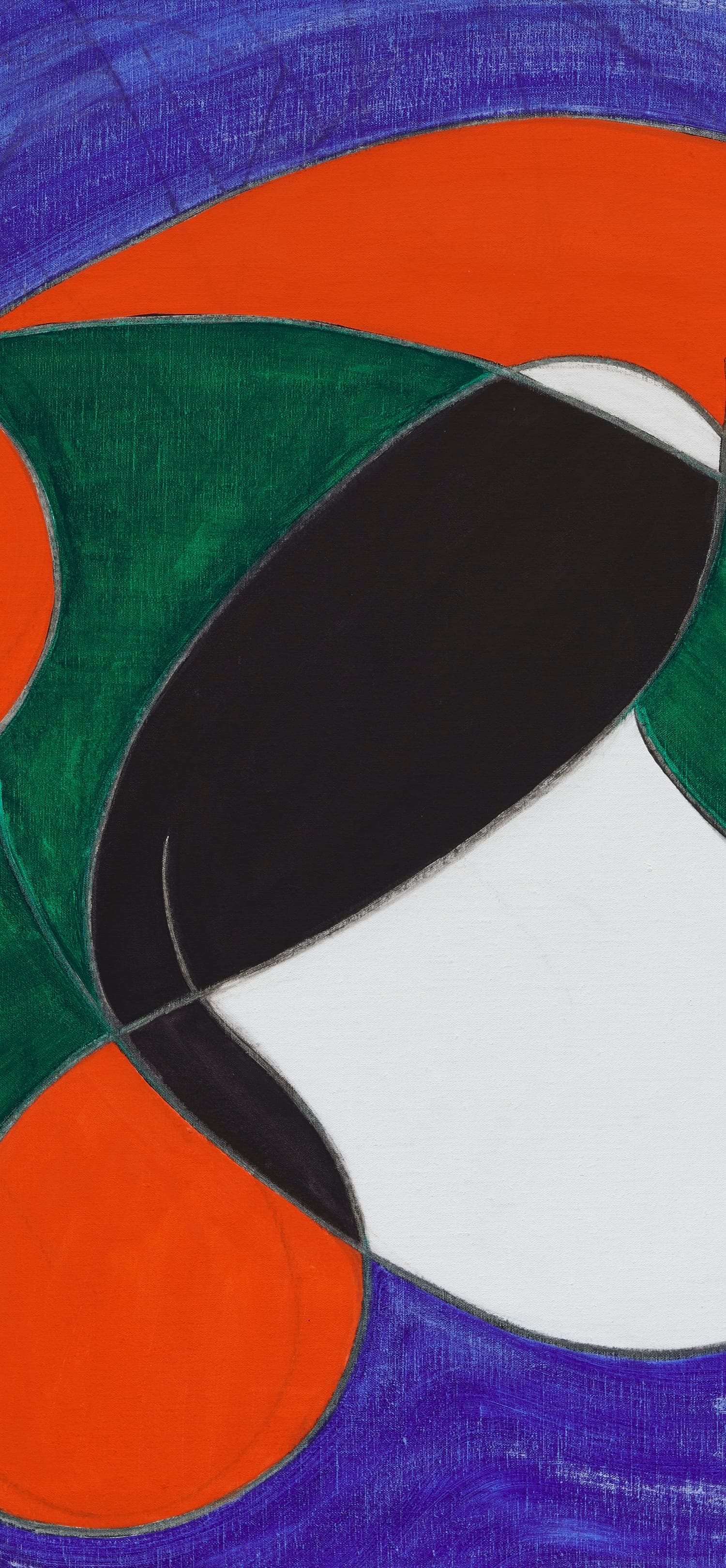
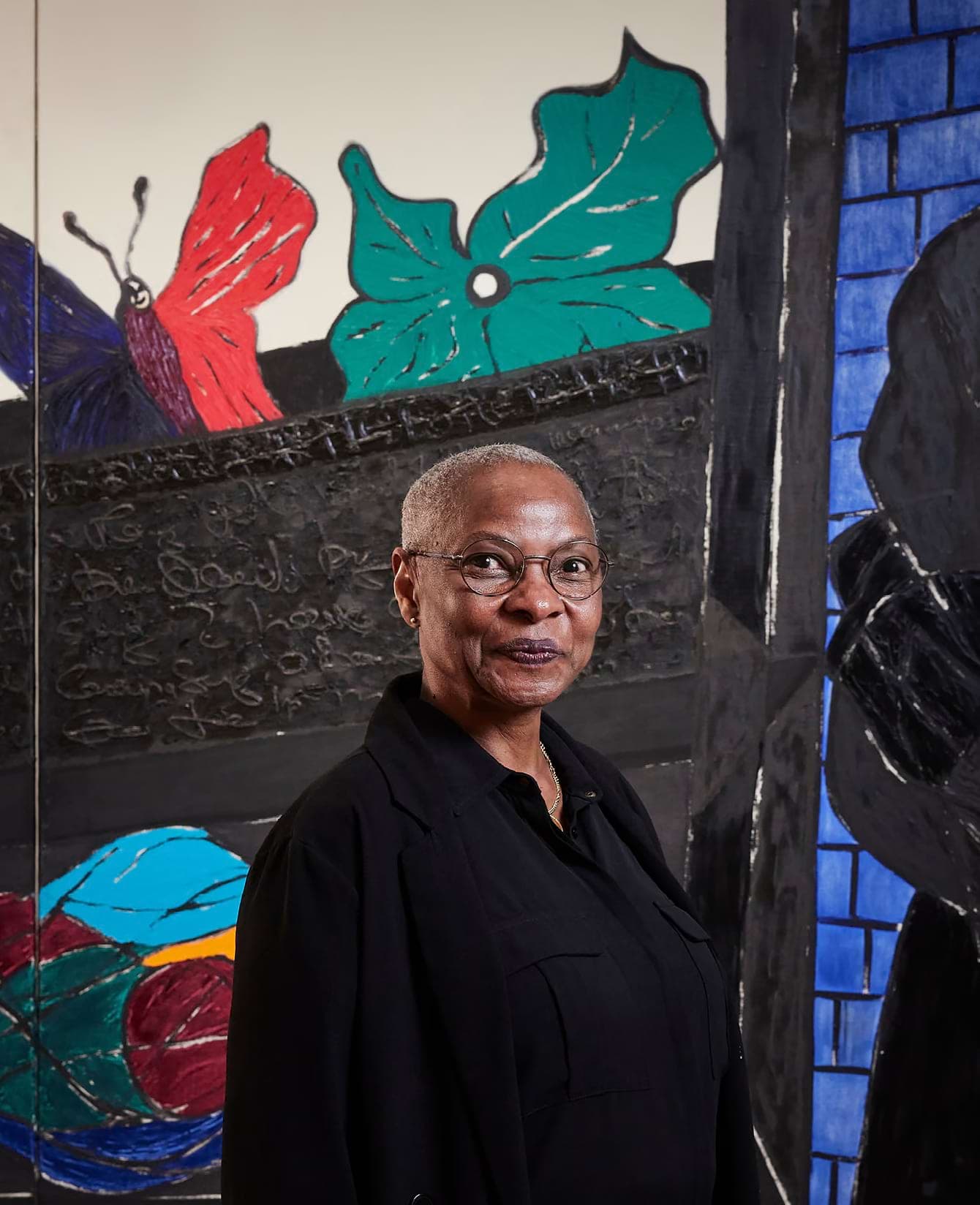
“If you are denied a history, then you have to write it,” says Everlyn Nicodemus. This ethos underpins Without History, the artist’s first solo exhibition with Goodman Gallery, presented in Cape Town in partnership with Richard Saltoun Gallery, and a rare presentation of her work on the African continent since her early exhibitions in Tanzania in the 1980s. Bringing together works from the late 20th century, the exhibition foregrounds a practice that has long moved between painting, research and writing. Shaped by personal experience of post-traumatic stress disorder and grief, as well as sustained research into African art in relation to human suffering and societal responsibility, Nicodemus’ work is driven by an insistence on making visible what dominant histories have neglected, excluded or refused to name.

Featured Artworks
Create a Goodman Gallery account to view our full selection of available works, access pricing and check out online.
A deeply interdisciplinary practitioner, Nicodemus has moved through overlapping intellectual and professional phases. She studied social anthropology, later working across research, writing, teaching and caregiving contexts, while continuing to make art since the 1980s. Rather than emerging from a singular trajectory, her practice developed in parallel with these pursuits over decades. Only relatively recently has she returned to working as a full-time artist. Across her paintings, essays and archival research, she has contributed to a wider effort by African artists and intellectuals to write themselves into history on their own terms.
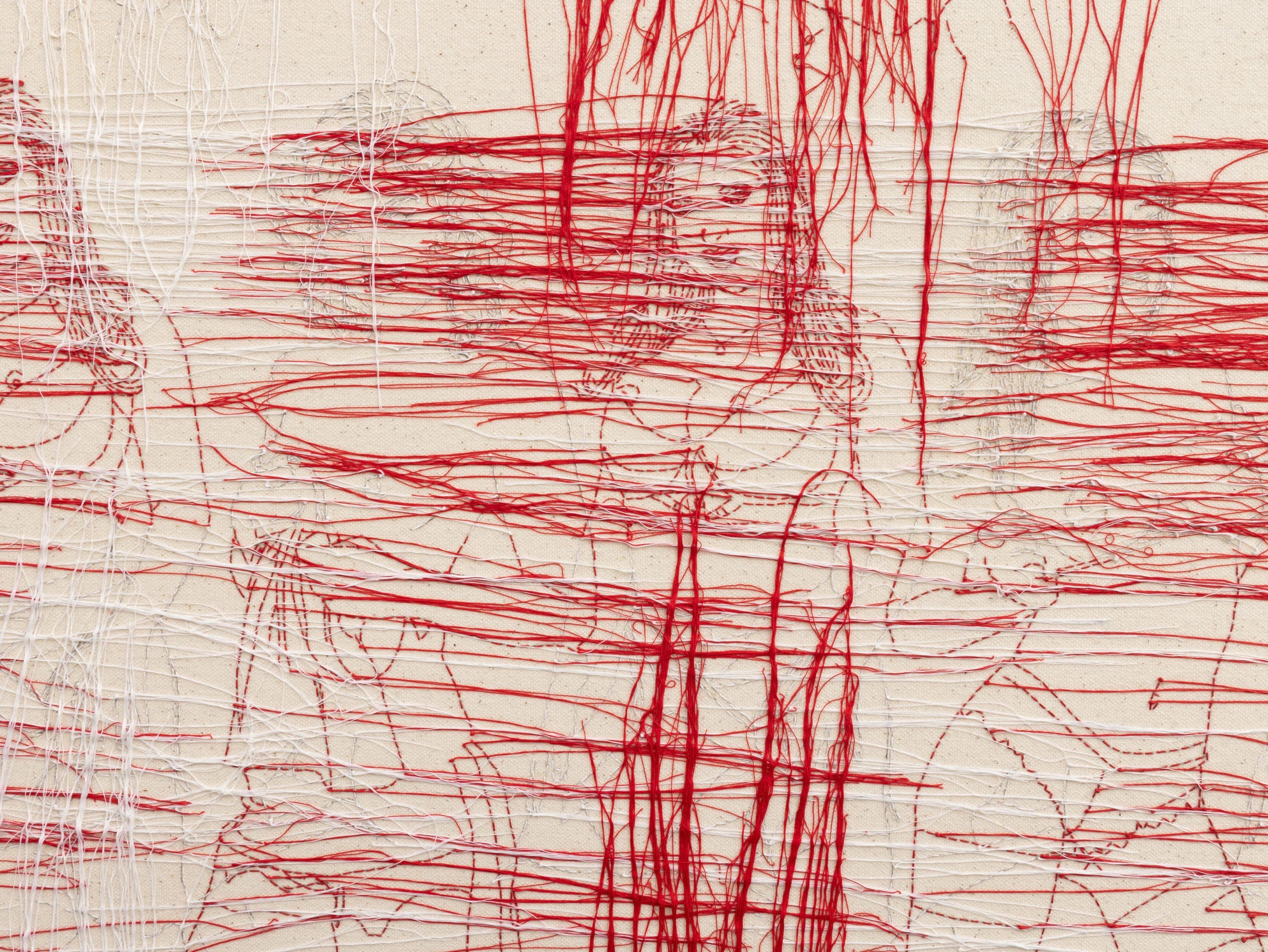
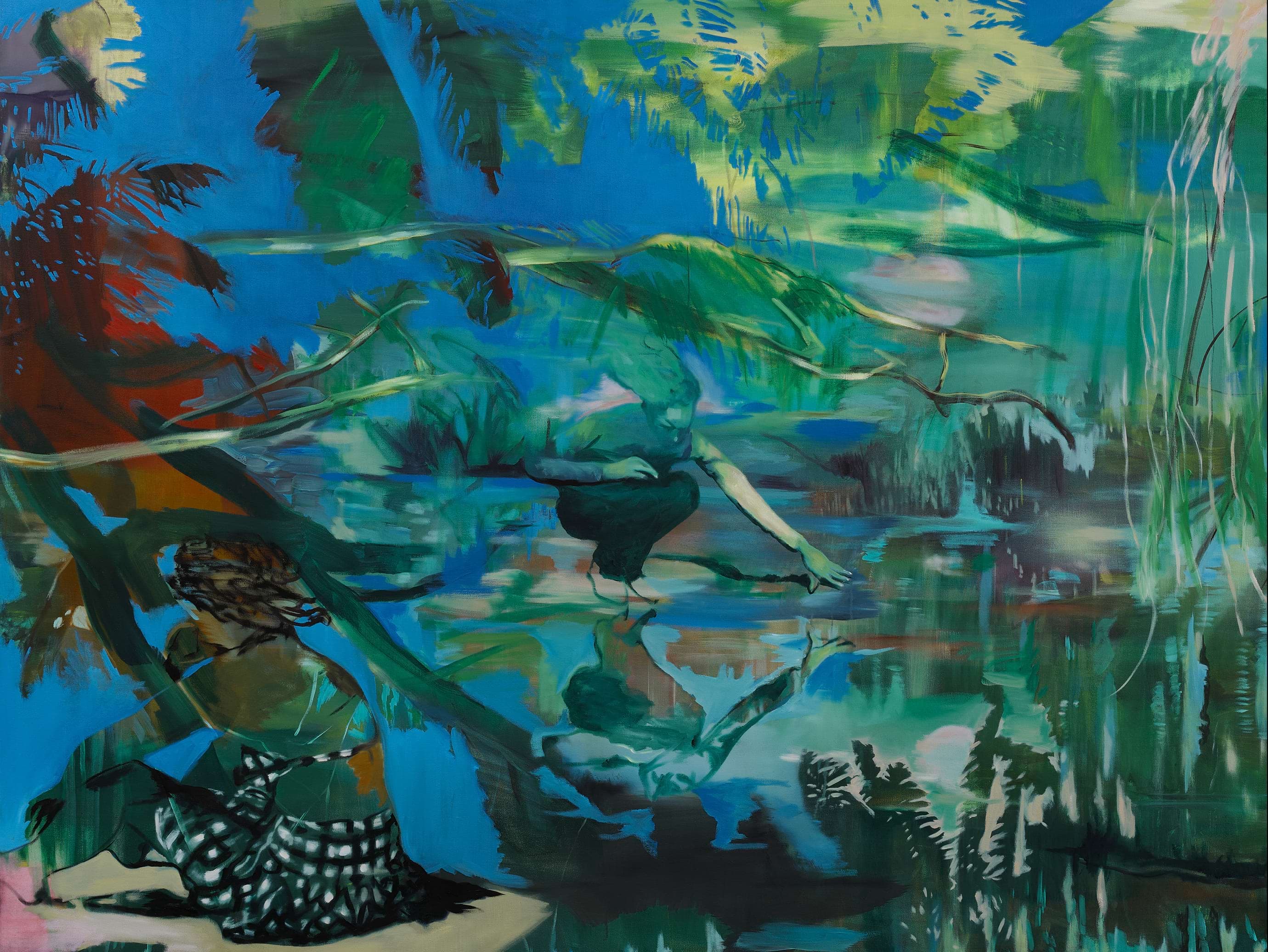
The exhibition brings together key bodies of work produced while Nicodemus was living in Sweden, France and Belgium, before settling in Scotland. These include works from her Woman in the World cycle, developed through conversations with women in Denmark, Tanzania and India, alongside paintings from her multi-panel Wedding series, executed in Antwerp. Together, they trace a practice deeply engaged with memory, trauma, gender, spirituality and survival, while revealing a formal and conceptual range across geographies.


At the heart of Woman in the World is a process of exchange. The series began in Denmark, where Nicodemus invited women to speak about their experience of being in the world, placing those testimonies in dialogue with her own. She later returned to Tanzania, to the region of her birth, and extended this process in her mother tongue, before continuing it in India. No story, she has reflected, was ever quite the same, though convergences emerged. The resulting works transform conversation into image, registering the shared and uneven conditions of womanhood across different contexts.
If the Woman in the World works emerge through dialogue, the Wedding paintings move into a more symbolic and psychological register. This monumental series of 84 works arose from a near-fatal illness, giving form to thresholds between life and death. Across the sequence, bodily vulnerability, rupture and renewal are rendered through a coded visual language of architecture, flora and the female figure.
These paintings also reveal Nicodemus’ long-standing fascination with sacred space. Raised within strict Lutheranism, she was nevertheless drawn to Catholic churches, their architecture and atmosphere of consecrated interiority. While living in France and Belgium, she spent extended periods visiting churches, absorbing their spatial and visual language. This finds an echo in the chapel-like qualities of Goodman Gallery Cape Town, itself a former convent.
Nicodemus articulated the conceptual stakes of Without History in her writing for Seven Stories about Modern Art in Africa, the landmark travelling exhibition co-curated by David Koloane and others, which opened at the Whitechapel Art Gallery in London in 1995. There, she described African artists as “creators and inventors of new realities… involved in a historical process of survival and emancipation.”
Her connection to South Africa was shaped through earlier encounters with artists such as Koloane, with whom she spent time in Johannesburg alongside Goodman Gallery founder Linda Givon in the early 1990s. This experience sharpened Nicodemus’s sense of the gallery’s role in sustaining artists under difficult conditions. Koloane, she recalls, emphasised that artists do not “live on air,” but depend on these structures of support. Decades later, that insight resonates in her renewed visibility through her collaboration with Richard Saltoun Gallery, which has been instrumental in enabling her to return to full-time artistic practice. Exhibiting now at Goodman Gallery carries particular poignancy, completing what Nicodemus has described as “a full circle.”