South South: the dirt the tree the landCurated by Zoe Whitley
Goodman Gallery is pleased to present 'the dirt the tree the land', an online group exhibition featuring eight international artists who variously explore the spectre of labour over and throughout our creative lives. Curated by London-based art historian Dr. Zoé Whitley, the exhibition draws its title from a line in American writer Lucille Clifton’s (1936-2010) poem 'defending my tongue' (1987).
Visual artists and poets share a formal concision through which ideas can be expressed so essentially that images and words blossom. 'the dirt the tree the land' is a collective exploration of the material traces left by physical toil. Hard graft roots our connectedness to places that both sustain and strain us. Clifton's poem uses her signature lower case spelling and distinctive spacing between words to establish a bittersweet pace and mood. Our mother tongues and the physical materials present in our upbringing form our identity; they tie us to fundamental understandings of ourselves in the world. We learn to recount not only through but beyond words, to our landscape and to our soil.

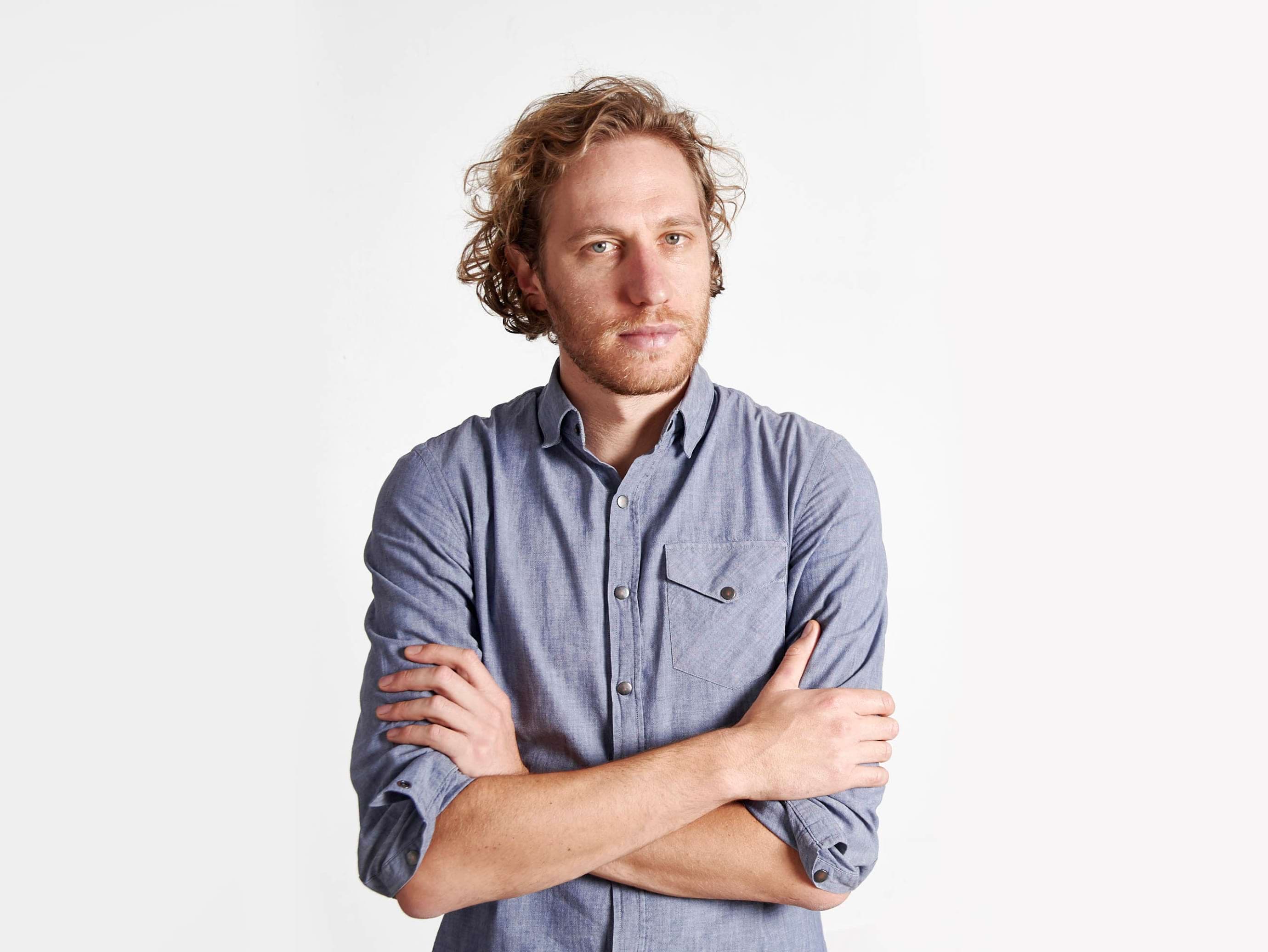
Dr. Zoé Whitley is an internationally acclaimed curator, art historian, and cultural leader whose work has been instrumental in advancing contemporary art, particularly by artists from Africa and the African diaspora. Based in London, she has held senior curatorial roles at the Victoria and Albert Museum, Tate Britain, Tate Modern, the Hayward Gallery, and served as Director of Chisenhale Gallery.
Her notable projects include co-curating Soul of a Nation: Art in the Age of Black Power (2017) and curating the British Pavilion at the 2019 Venice Biennale—the first African American curator to do so. Renowned for her rigorous scholarship and commitment to expanding art historical narratives, Whitley was appointed an Honorary OBE in 2025 for services to art.

Featured Artworks
Create a Goodman Gallery account to view our full selection of available works, access pricing and check out online.


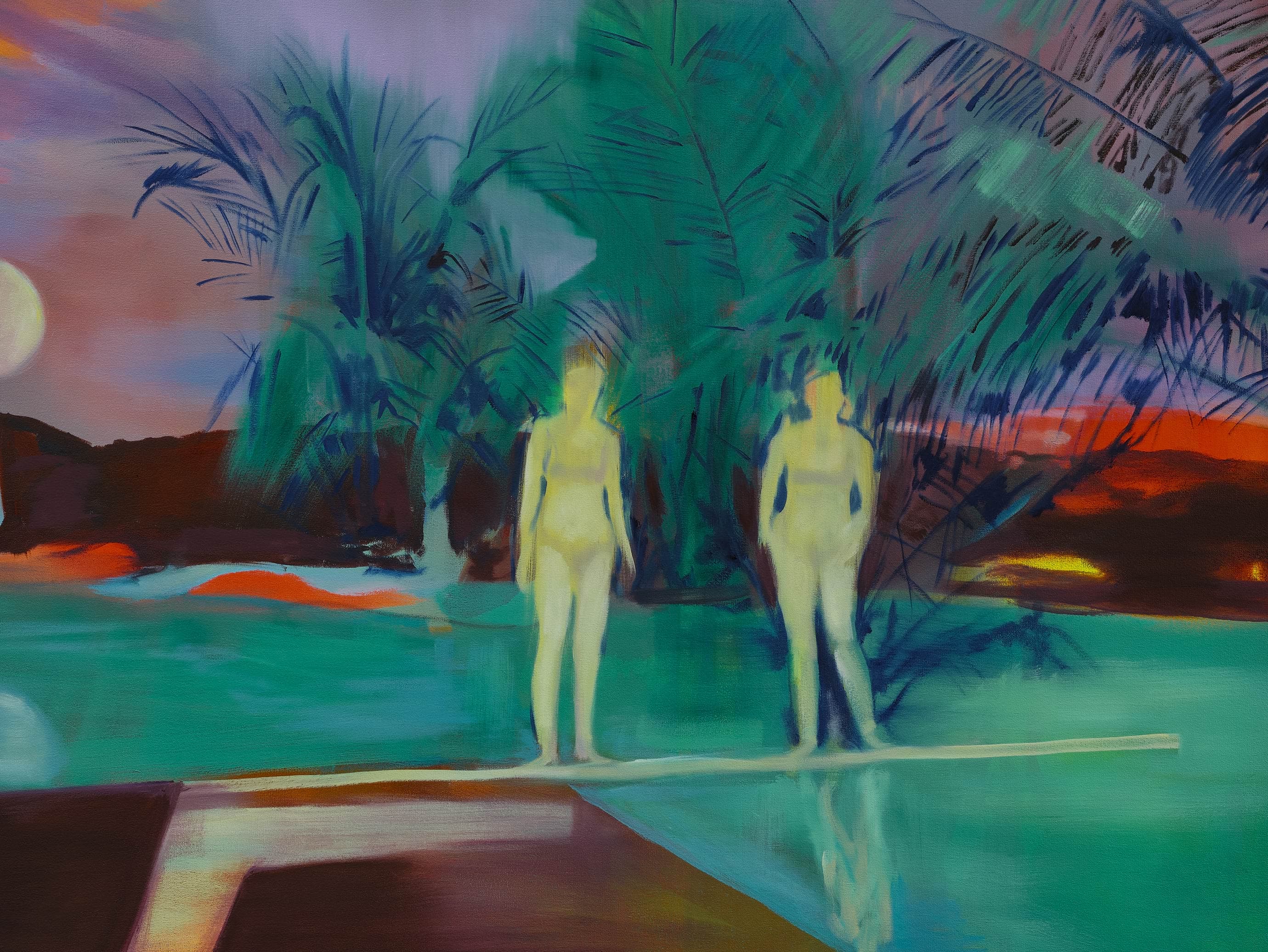
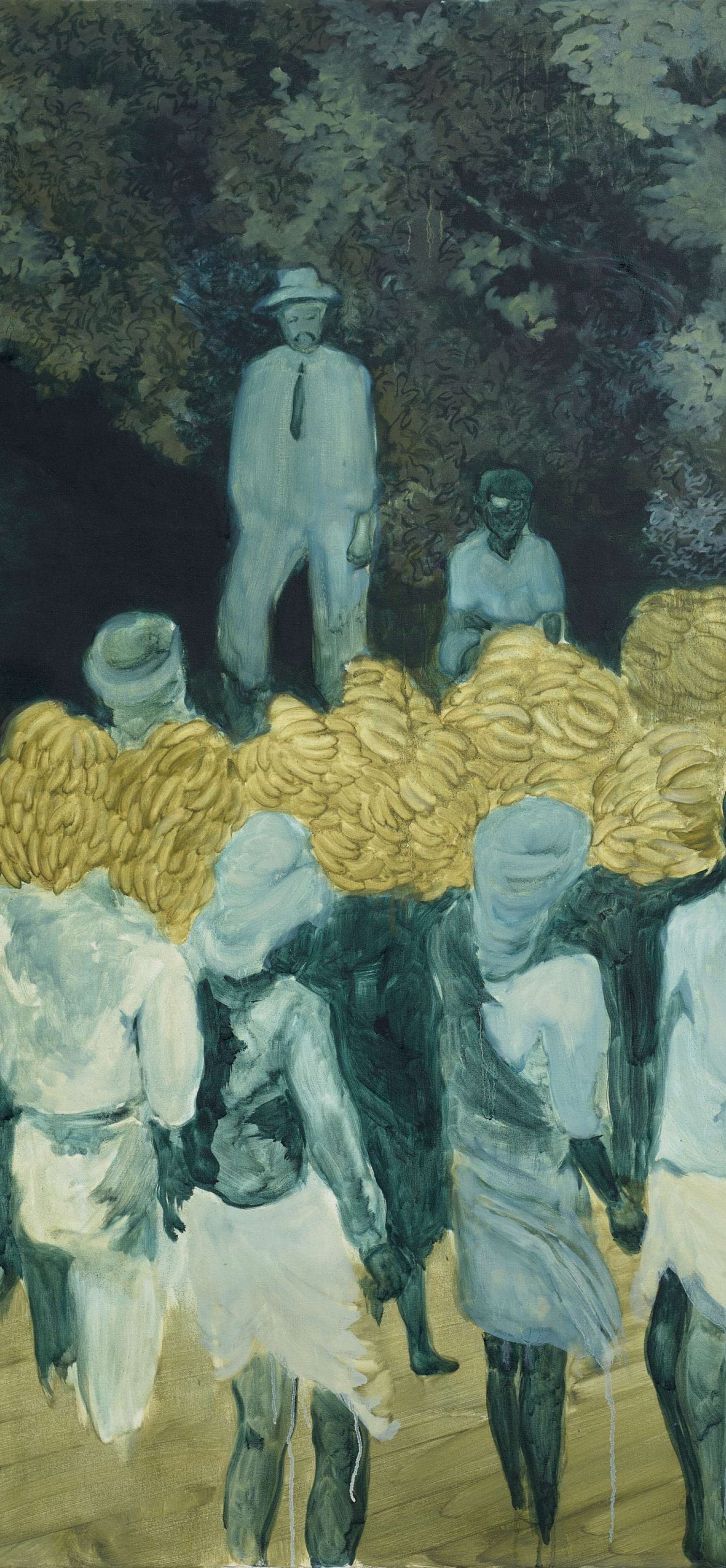
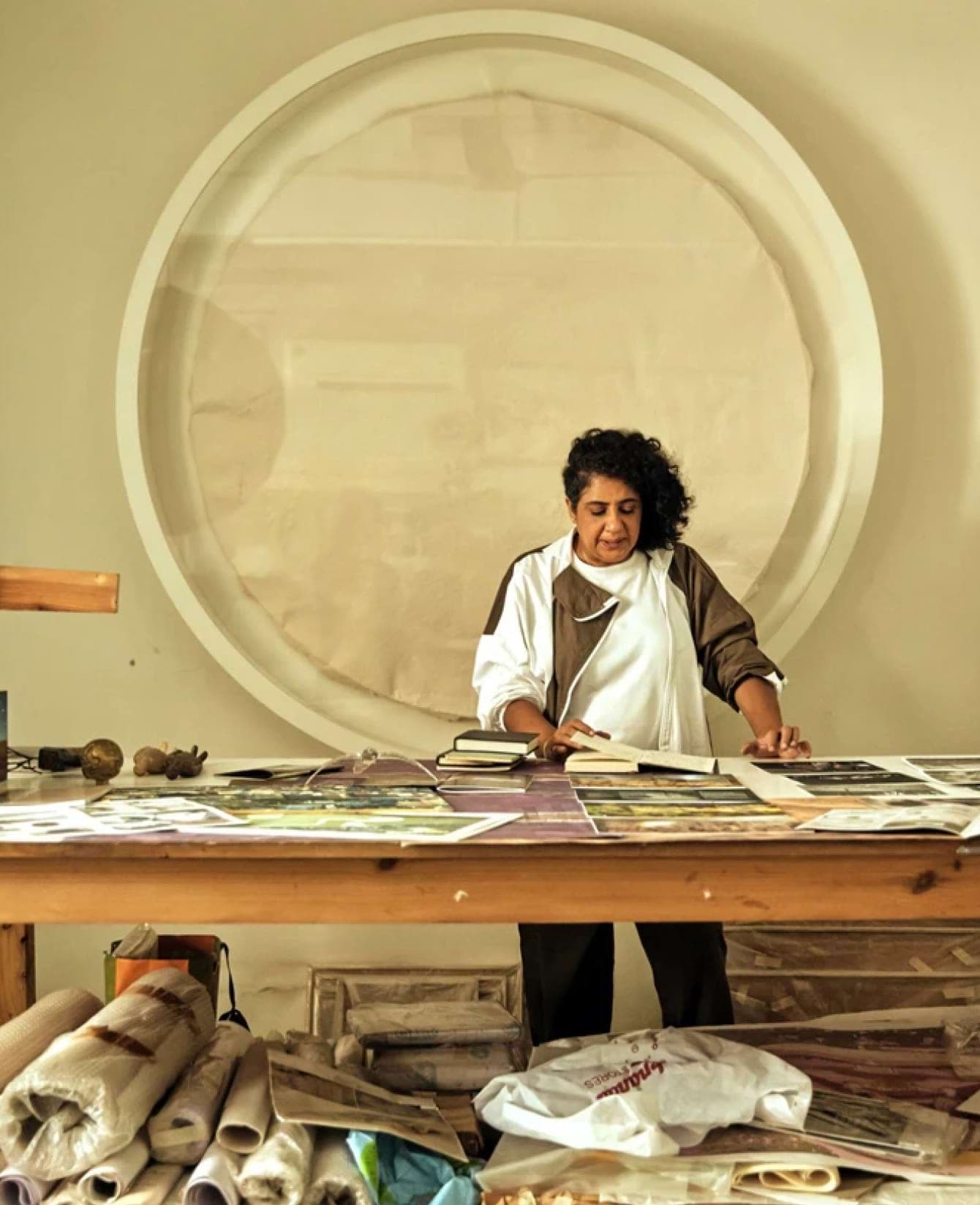
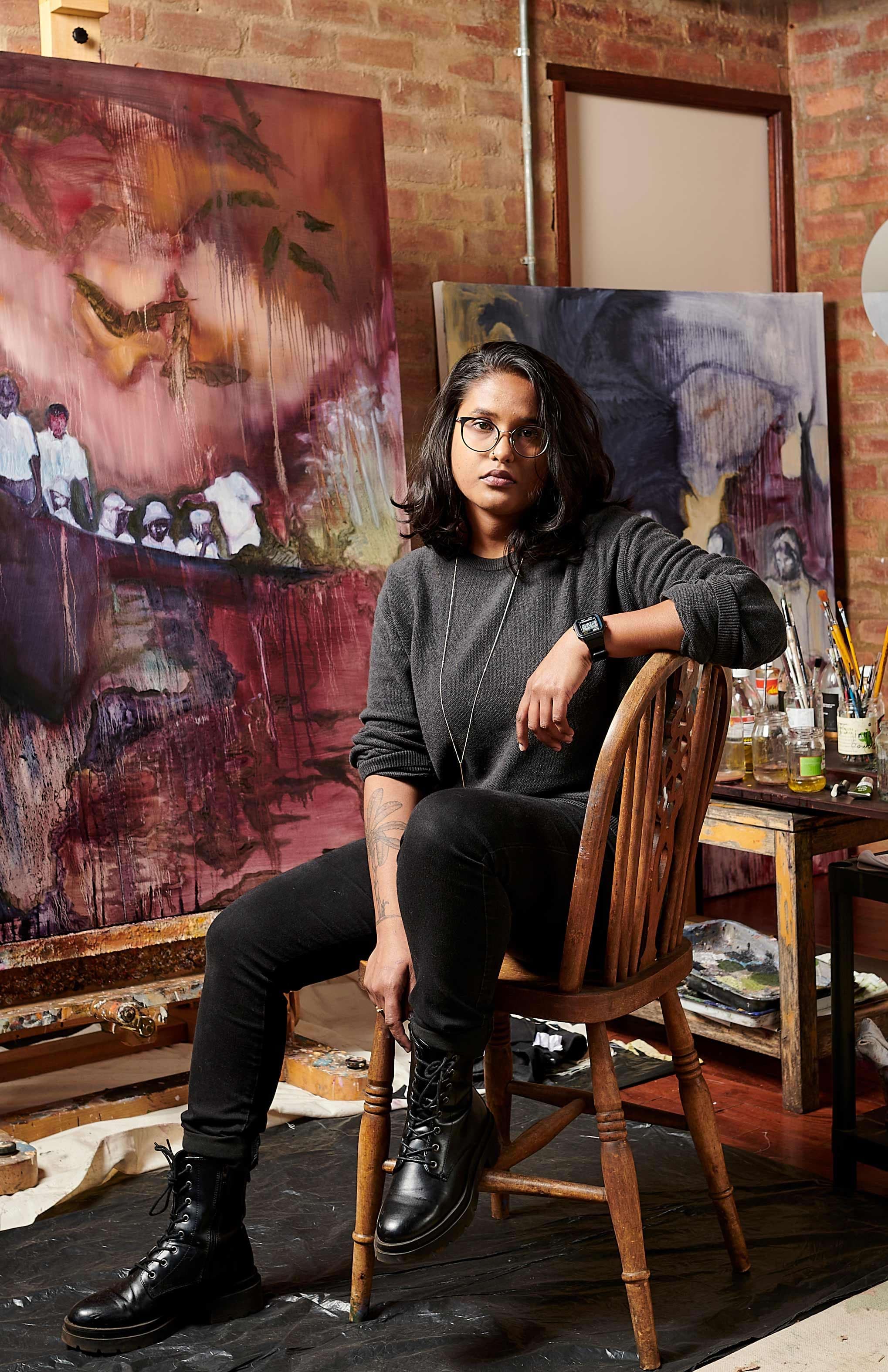
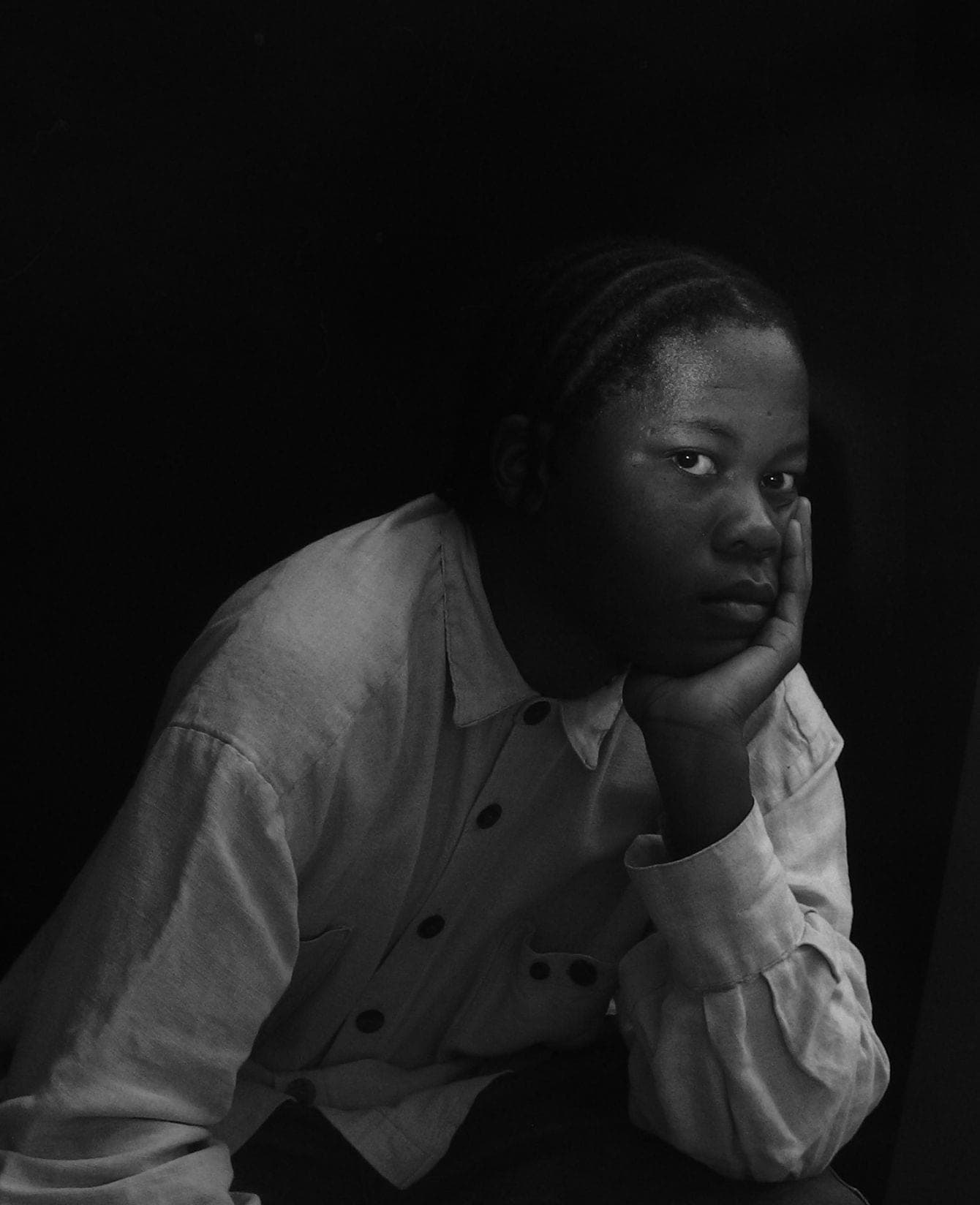
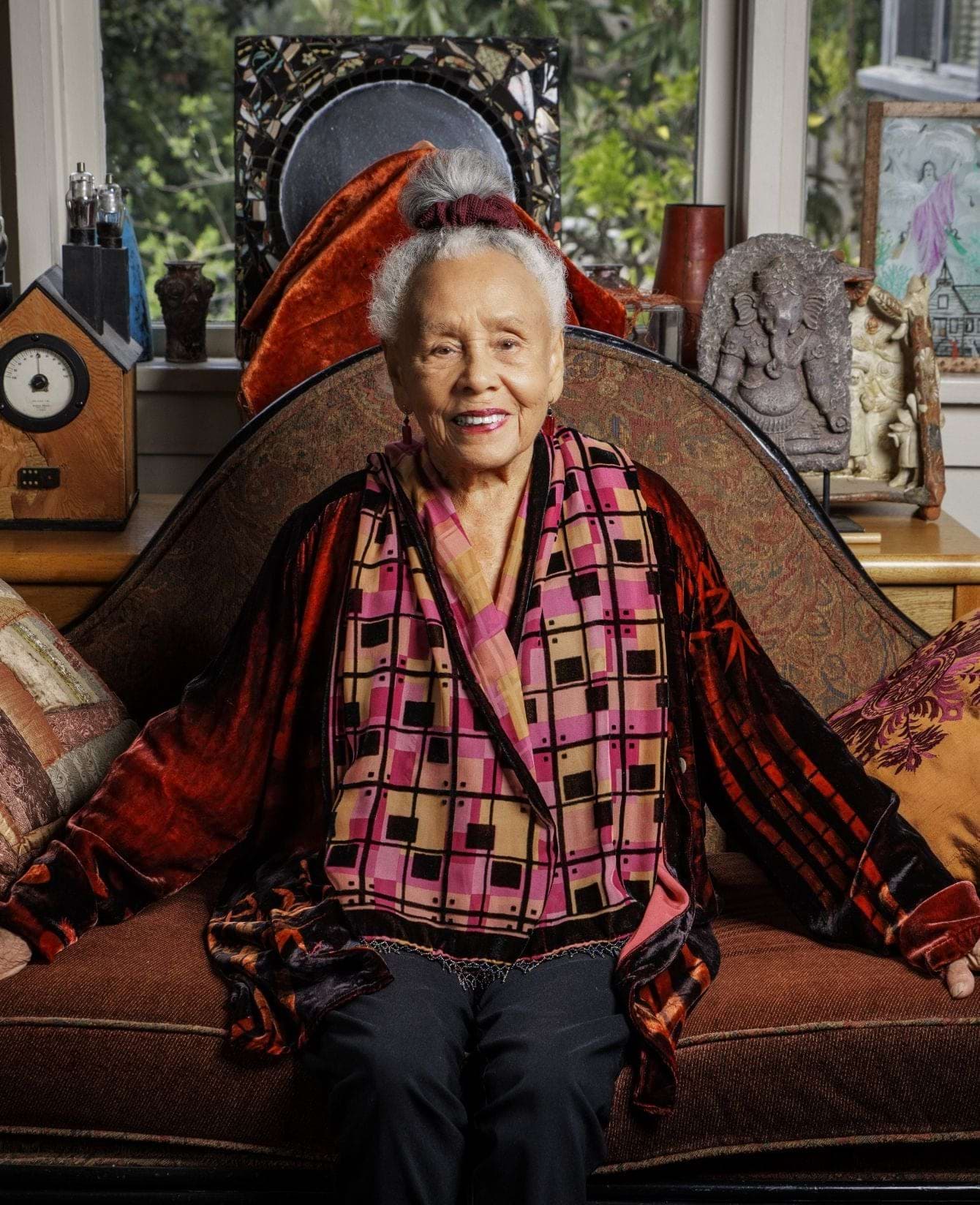
Centenarian Betye Saar speaks through the transformation of found objects about the back-breaking domestic work of Black women, while Tumelo Mtimkhulu – the youngest artist in this presentation, chooses not an idealised choreography but sincere homage to the unseen and unsung acts of cleaning and chores, even in evoking the journeying to and from work, long before dawn and late into the night. Ravelle Pillay uses paint to recreate the afterlives of indentured labour through the instability of found images, archives and inherited memory, as Bulumko Mbete honours women's indigenous traditions as repositories of embodied knowledge and cultural continuity.

Tonico Lemos Auad foregrounds the painstaking labour of weaving, reordering humble reclaimed materials into works that re-make our understanding of the everyday. Vibha Galhotra similarly transforms found and industrial materials into repositories of ecological reflection, asking how our human impositions upon the earth in the name of so-called ‘progress’ might instead give way to more reciprocal relationships with the natural world. Grace Ndiritu expands the notion of labour into the collective work of healing, proposing artistic practice itself as a space of social and spiritual repair, while Juliana dos Santos embraces the slow, organic processes of botanical pigments to reveal painting as an act of reverence and deep attunement to Afro-diasporic knowledge systems carried through colour, time and our bodily senses.

Grace Ndiritu: Black Beauty


Artists
To view available artworks and access prices.

Other Exhibitions
See All